Personal Injury
A practice built for the moments the carrier hopes you face alone.
California's roads, sidewalks, parking lots, transit corridors, and commercial properties together produce more than three million reportable injury incidents a year. The California Office of Traffic Safety reports more than 250,000 motor vehicle injury collisions annually, with Los Angeles County contributing roughly a third of the total. The Department of Industrial Relations records hundreds of thousands of additional workplace and premises injuries. Behind every number is a person whose life was reorganized in an instant by the negligence of someone else.
Our practice exists to make sure that the people on the receiving end of those incidents have an advocate who can match the institutional adversary they did not choose. Insurance carriers, commercial property owners, trucking companies, and rideshare platforms come to the table with sophisticated counsel from the moment a claim is reported. The unrepresented claimant who tries to negotiate alone is, almost without exception, leaving substantial value on the table. We close that gap.
The First 90 Days
Why early investigation decides the case.
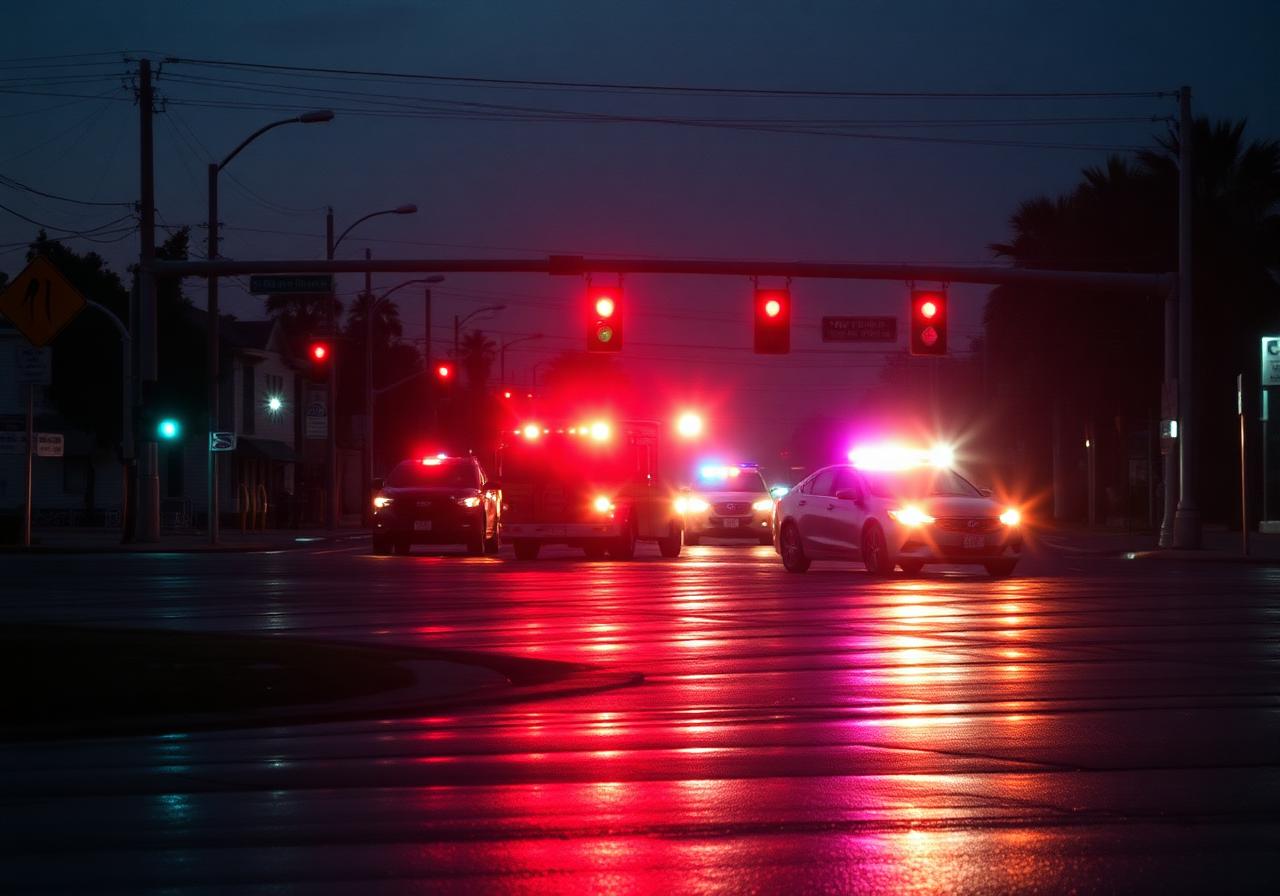
Personal injury cases are won and lost in the first ninety days after the incident. The reason is straightforward: evidence does not wait. Surveillance footage from nearby businesses cycles out on a thirty-day loop in most retail establishments and a seven-day loop in some. Skid marks fade with the next rain. Vehicles are repaired or sold for salvage within weeks. Witnesses move, change phone numbers, and forget what they saw with surprising speed.
Our practice is built around that reality. When a serious injury case comes in, an investigator is on the scene within forty-eight hours. We canvass the surrounding businesses for surveillance video preservation requests, photograph the roadway and surrounding signage at the same hour of day the incident occurred, and obtain the responding agency's full investigative report rather than just the public Traffic Collision Report — which is often a different document with materially less information.
The carrier's investigators are doing the same work, often faster. Most major insurance carriers maintain dedicated rapid-response teams that arrive at the scene of any reported serious-injury collision involving their insured within hours. The lawyer who waits a week to begin investigating is a lawyer who is already behind.
The Carrier Playbook
What the insurance company is actually doing while you heal.
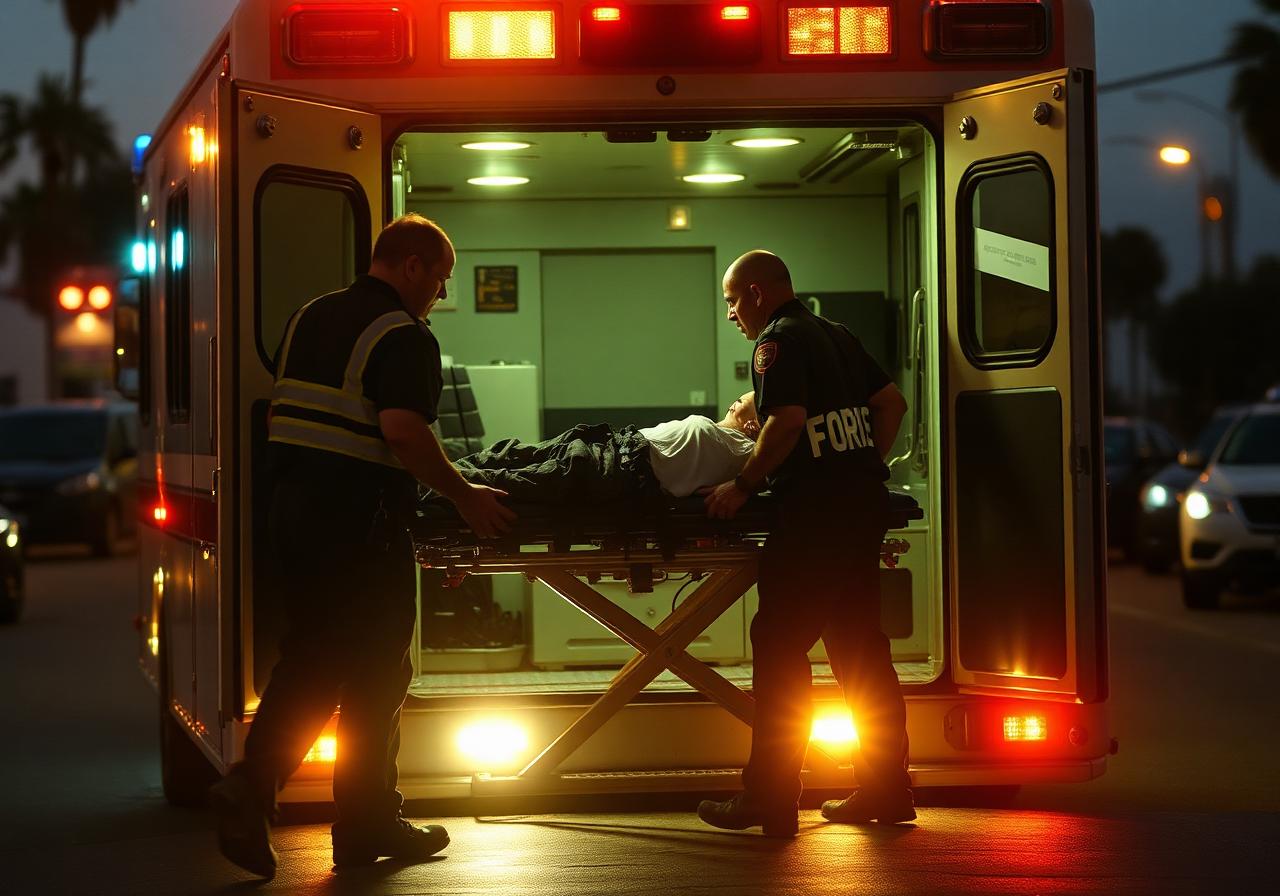
Insurance carriers are sophisticated institutional adversaries. The major automobile carriers — State Farm, GEICO, Progressive, Allstate, Farmers, USAA, Liberty Mutual — collectively employ tens of thousands of adjusters, in-house counsel, and outside defense firms whose job is to close claims for as little as the carrier can persuade the claimant to accept. The first call from the adjuster, often within forty-eight hours of the incident, is rarely about helping you. It is about producing a recorded statement that can be used to limit the claim later.
Carriers also use predictive analytics. Software systems like Colossus and Claim IQ assign a settlement value range to each claim based on the diagnosis codes the carrier has on file, the demographic profile of the claimant, the venue, and dozens of other variables. The opening offer the adjuster makes is typically calibrated to the lower end of that range. Without aggressive documentation pushing the case toward the upper end, the offer becomes the settlement.
We document each claim in a way that forces the analytics in our direction — with treating physician narratives rather than just billing codes, with vocational expert assessments of future earning capacity, with life-care plans where appropriate, and with photographs and video that capture the visible reality of the injury in a way no billing record can.
When Cases Litigate
The trial-ready file from day one.
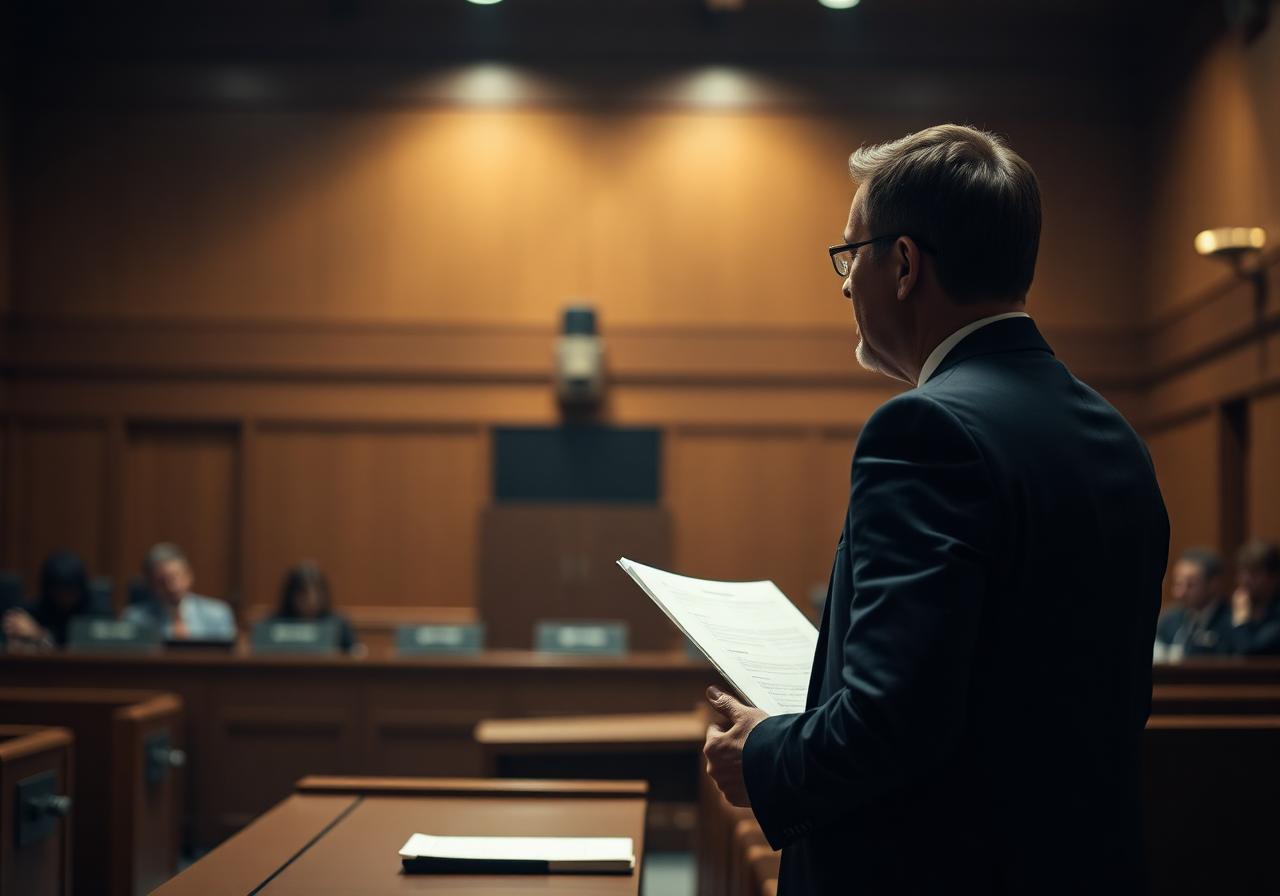
The vast majority of personal injury cases — roughly 95 percent in California — settle without going to trial. The settlement value, however, is overwhelmingly determined by the strength of the file the carrier knows would be presented if the case did proceed to trial. A demand letter that reads like a litigation brief produces a different response than a demand letter that reads like a form. We prepare every case as if it will be tried, even when we believe it will settle, because the act of preparation itself moves the settlement value.
Where settlement negotiations stall or where the carrier refuses to value the case fairly, we file. California civil court venues vary dramatically in their pace and their jury composition. Los Angeles Superior Court trials in personal injury matters currently set roughly twenty-four to thirty-six months out from filing, with the COVID-era backlog still partially in place. We brief clients on the realistic timeline for litigation before we file, because patience is part of the work.
Trial is not the goal. A fair settlement is the goal. But a trial-ready file is what produces a fair settlement, and that is what we build for every client.

After the Settlement
Liens, recovery, and what actually lands in your account.
The number on the settlement check is rarely the number that lands in the client's bank account. Health insurance carriers — including Medi-Cal, Medicare, and most ERISA-governed private plans — assert subrogation liens against personal injury recoveries that paid for treatment related to the incident. Hospital and physician liens under California's Hospital Lien Act and treating-physician liens under common law also attach. Each lien has its own statutory framework, its own negotiation posture, and its own willingness to compromise.
Lien resolution is a quiet but important part of the practice. We routinely negotiate Medi-Cal and Medicare conditional payment liens down to a fraction of the asserted amount through proper documentation of the case-related share of the treatment and proper application of the Ahlborn formula. We negotiate hospital liens by reference to the reasonable value of services actually rendered rather than the inflated chargemaster rate the hospital initially asserts. The difference between aggressive lien negotiation and passive lien acceptance is often a five-figure sum that goes either to the client or to a third-party institution.
We document every penny of every lien resolution in writing and walk the client through the final settlement statement line by line before any check is disbursed. Transparency at the end of the case is part of how we earn the next call from the same family.
No fee unless
we win.
Personal injury cases move fast — and so do we. From the moment you call, we begin documenting, investigating, and protecting your claim. Insurance adjusters work for the company; we work for you.
Rod's experience facing insurers without representation drives his mission to ensure no client ever has to go through it alone. Contingency basis means you pay nothing unless we recover for you.
When negligence causes injury.
Car Accidents
From minor collisions to catastrophic crashes — we handle the insurance company so you can heal.
Rideshare Accidents
Uber and Lyft cases involve complex insurance layers. We know how to navigate them.
Truck & Bus Accidents
Commercial vehicles cause devastating injuries. We pursue every responsible party.
Pedestrian & Slip-and-Fall
When property owners or drivers fail in their duty of care, you have rights.
Bicycle Accidents
Cyclists deserve full and fair compensation. We take on drivers and insurers alike.
Catastrophic Injury & Wrongful Death
When the worst happens, we pursue justice with the seriousness your loss demands.
Time matters.
Evidence disappears.
California's statute of limitations is unforgiving. Witness memories fade, vehicles get repaired, surveillance footage gets overwritten. The earlier we begin, the stronger your case.
Talk to Us TodayTell us what happened.
A free consultation. Real answers. No pressure. We'll help you understand what your case is worth and what comes next.